Get Japanese Knotweed Treatment Service in Fairfield County, CT
Local contractors in Fairfield County, CT, can help property owners remove Japanese knotweed to protect landscaping, prevent damage, and prepare sites for development or sale.
Property owners in Fairfield County, CT, facing concerns about Japanese knotweed often find it helpful to explore professional treatment options to manage this invasive plant effectively. Whether planning a landscape project, preparing a property for sale, or simply aiming to protect the value and integrity of the land, understanding local service providers can make the process more straightforward. Comparing the available options within the area allows property owners to identify experienced contractors who can assess the situation and recommend appropriate solutions tailored to their specific needs.
Continuing to read can provide valuable insights into how local contractors approach Japanese knotweed removal and control, helping property owners make informed decisions. Accessing a range of service providers in Fairfield County enables a clearer picture of the methods and expertise available, ensuring that the chosen approach aligns with individual property goals. This information can support planning efforts and facilitate connections with qualified professionals ready to assist with effective Japanese knotweed treatment.
- Japanese Knotweed Removal - needed when invasive plants threaten property foundations or gardens in neighborhoods around Fairfield County, CT.
- Knotweed Treatment - required if persistent growth is impacting landscaping or access in residential or commercial properties.
- Invasive Plant Control - necessary when Japanese knotweed spreads into nearby wooded areas or along property boundaries in local communities.
- Vegetation Management - appropriate for properties experiencing rapid knotweed growth that encroaches on structures or pathways.
- Property Clearing Services - sought after when property owners want to eliminate knotweed to restore land usability or prepare for development.
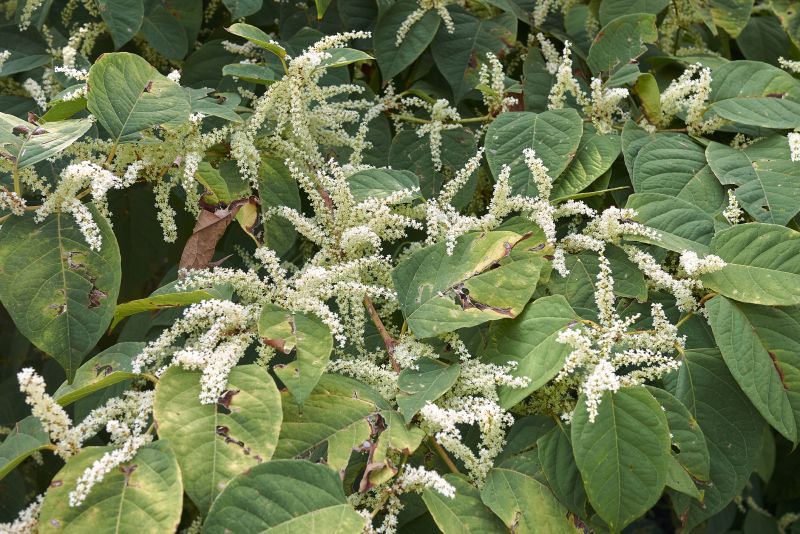
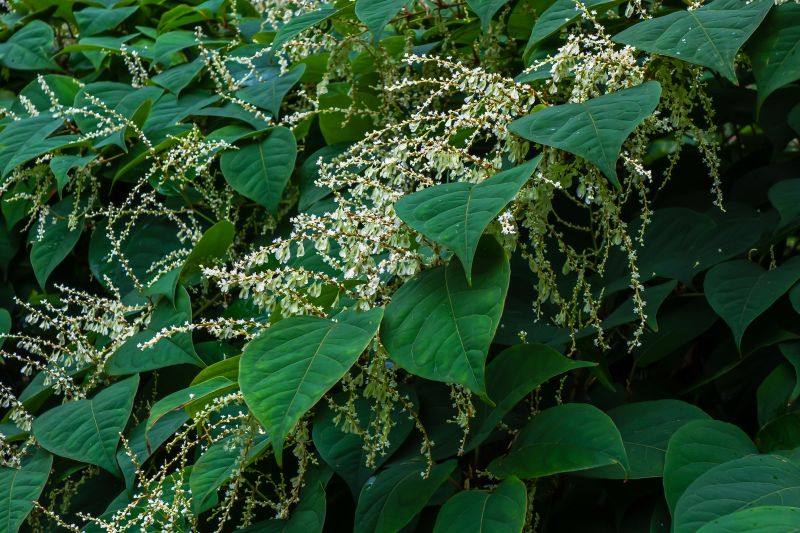

Japanese Knotweed treatment services focus on removing this invasive plant from residential and commercial properties. The process typically involves the careful application of specialized herbicides designed to effectively eradicate the plant’s deep-rooted growth. In some cases, contractors may also use physical removal methods, such as excavation or cutting back the plant, to ensure complete elimination. The goal is to prevent the plant from spreading further and to restore the affected area to a safe and manageable condition. These services are tailored to address the unique challenges posed by Japanese Knotweed, which can grow rapidly and penetrate hard surfaces like concrete and asphalt.
This invasive species is known for causing significant problems for property owners. It can compromise the structural integrity of foundations, walls, and pathways if left unchecked. Japanese Knotweed often appears near buildings, fences, or garden boundaries, and its aggressive growth can lead to damage that is costly to repair. Additionally, the presence of this plant can negatively impact property values and complicate issues like property sales or refinancing. Treatment services help solve these issues by removing the plant before it causes further damage, ensuring the safety and stability of the property.
Japanese Knotweed treatment is suitable for a variety of property types, including residential homes, commercial buildings, and land parcels. Homeowners who notice rapid growth or suspect the presence of Japanese Knotweed in their gardens or around their properties should consider professional treatment. Commercial property owners and land developers may also require these services to meet legal requirements or to prepare sites for construction or sale. Typically, properties with signs of invasive growth, or those located near known infestations, benefit from professional treatment to prevent further spread and damage.
Property owners in Fairfield County, CT, and nearby areas who are concerned about invasive Japanese Knotweed can contact local service providers to assess the situation. These specialists can determine the extent of the growth and recommend appropriate treatment options. Whether dealing with a small patch or a larger infestation, experienced contractors can help manage and remove the plant effectively. Connecting with local experts ensures that the problem is addressed promptly and thoroughly, helping to protect the property’s value and structural integrity.
The overview below groups typical Japanese Knotweed Treatment Service projects into broad ranges so you can see how smaller, mid-sized, and larger jobs often compare in Fairfield County, CT.
In many markets, a large share of routine jobs stays in the lower and middle ranges, while only a smaller percentage of projects moves into the highest bands when the work is more complex or site conditions are harder than average.
Smaller Jobs - Typical costs for minor Japanese Knotweed treatments range from $250 to $600. Many routine removal projects fall within this range, especially for small to medium-sized infestations on residential properties.
Moderate Projects - Larger, more established infestations usually cost between $600 and $2,000. These projects often involve extensive treatments and may require multiple visits from local contractors.
Large-Scale Removals - Complex or widespread infestations can range from $2,000 to $5,000 or more. Fewer projects fall into this tier, but they are common for commercial sites or heavily infested properties requiring comprehensive work.
Full Site Replacement - Complete removal and site restoration can exceed $5,000, depending on the size and complexity. Such projects are less common and typically involve significant excavation and landscaping efforts by local service providers.
Actual totals will depend on details like access to the work area, the scope of the project, and the materials selected, so use these as general starting points rather than exact figures.
Invasive Plant Removal - Professionals experienced in removing invasive plants use similar planning and tools to control Japanese Knotweed effectively on affected properties.
Landscape Restoration - Contractors specializing in landscape restoration often handle projects that require managing and mitigating plant invasions like Japanese Knotweed.
Soil Contamination Cleanup - Soil remediation experts work with contaminated sites, applying techniques that are comparable to Japanese Knotweed treatment methods for soil management.
Foundation and Drainage Repair - Specialists in foundation stabilization and drainage solutions often address issues caused by invasive plants disrupting underground structures.
Property Demolition and Site Clearance - Demolition contractors frequently clear areas infested with invasive species as part of preparing sites for development or renovation.
Erosion Control Projects - Erosion control teams use planning and tools similar to those in Japanese Knotweed treatments to stabilize soil and prevent further degradation.
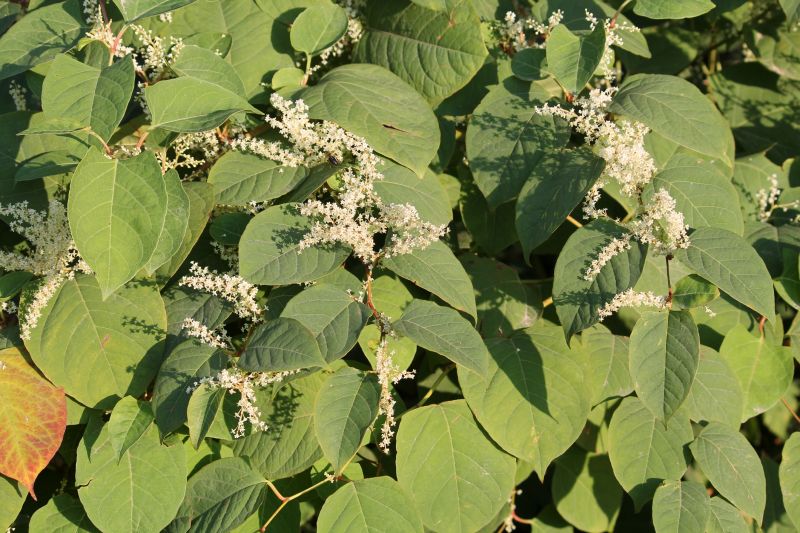
When comparing service providers for Japanese Knotweed treatment, it’s important to consider their experience with similar projects. Homeowners should seek out local contractors who have a proven track record handling Japanese Knotweed issues in properties comparable to their own. An experienced professional will understand the specific challenges that can arise with this invasive plant and be better equipped to develop an effective treatment plan. Checking how long a contractor has been working in the area and their familiarity with local conditions can provide additional insight into their capability to manage the job successfully.
Clear written expectations are essential when evaluating potential service providers. Homeowners should look for contractors who can provide detailed descriptions of the treatment process, including what the work entails, any preparatory steps, and what results can reasonably be expected. Having this information in writing helps ensure that both parties are aligned on the scope of work and reduces the chances of misunderstandings. A reputable local contractor will be transparent about their approach and willing to answer questions about the process, materials used, and potential outcomes.
Reputation and communication are key factors to consider when selecting a Japanese Knotweed treatment service. Homeowners should seek references or reviews from previous clients to gauge the quality of work and professionalism of local contractors. Good communication is also crucial; a responsive and clear communicator can help address concerns promptly and keep the project on track. Remember, this site serves as a resource to introduce homeowners to local service providers who are capable of handling the work-it's not a provider of the services itself. Comparing options based on experience, clarity, and reputation can help identify the best fit for the specific needs of the property.
Property owners in Fairfield County, CT use Japanese Knotweed Treatment Service services for practical projects around their homes and businesses. This guide focuses on everyday jobs and straightforward project options.
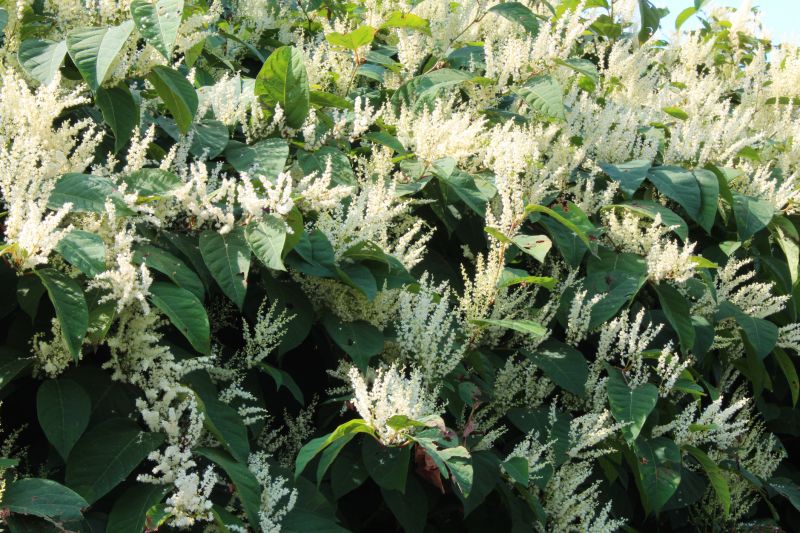

Property owners in Fairfield County, CT may seek Japanese knotweed treatment services when invasive plants start to spread across their yards or near structures, potentially causing damage or hindering property value. Whether someone notices thick, bamboo-like stalks emerging through garden beds or fears that unchecked growth could interfere with future construction plans, local contractors can provide solutions to manage and remove the problem effectively.
In addition, residents preparing to sell their homes or undertake landscaping projects often look for knotweed treatment to ensure their property is safe and compliant with local regulations. When invasive plants threaten to encroach on neighboring properties or compromise the stability of driveways and foundations, experienced service providers in the area can help address these concerns and restore the landscape to a healthier state.
What is Japanese Knotweed and why is it a problem? Japanese Knotweed is an invasive plant species that can cause damage to building foundations, pavements, and underground utilities if left untreated.
How do local contractors typically treat Japanese Knotweed? They may use methods such as herbicide application, excavation, or a combination of both to effectively manage and remove the plant.
What should I consider when choosing a Japanese Knotweed treatment service? It's important to verify that the service provider has experience with invasive plant removal and offers appropriate treatment options for your property.
Is Japanese Knotweed treatment safe for surrounding plants and the environment? Professional contractors use targeted methods to minimize impact on nearby vegetation and are experienced in environmentally responsible practices.
How can I find local contractors who specialize in Japanese Knotweed removal? You can contact local service providers through a lead generation platform that connects property owners with experienced specialists in your area.
Property Renovation Planning - Homeowners can explore options for removing Japanese Knotweed to protect future renovations or landscaping projects.
Landscaping and Garden Design - Gardeners and landscapers can consider treatment services to maintain healthy, weed-free outdoor spaces.
Property Sale Preparation - Sellers can evaluate Japanese Knotweed treatment to ensure their property meets sale requirements and avoids legal issues.
Environmental Management - Landowners managing large plots can coordinate with local contractors to control invasive growth and preserve natural areas.
If you are thinking about Japanese Knotweed Treatment Service for a property in Fairfield County, CT, this guide is meant to help you understand the work, the typical project types, and how different options might fit your plans.
When you are ready, you can use the quote form on this page to share a few details about your project. From there, local pros can review the basics and respond with options that match what you have in mind.