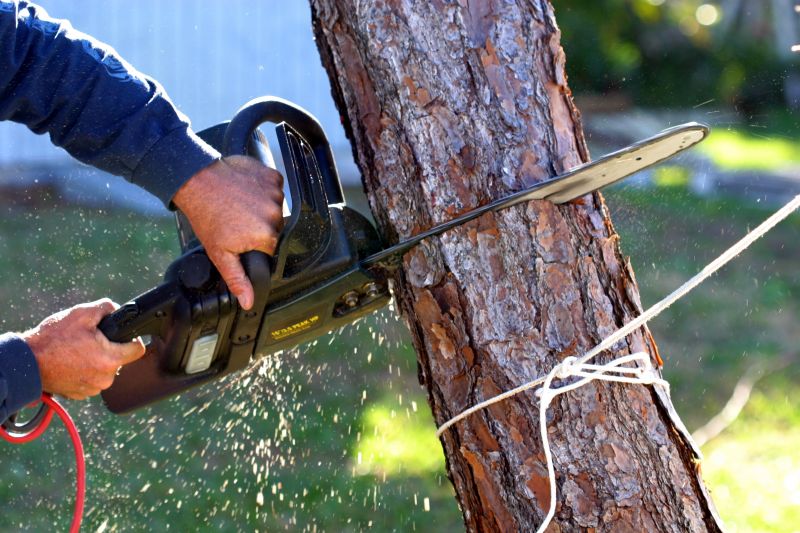
Dead Tree Removal in Allentown, PA
Dead tree removal services involve the safe and efficient removal of trees that are dead, decaying, or posing a risk to the property. These projects typically include removing hazardous trees that threaten structures, power lines, or landscaping, as well as clearing fallen or severely damaged trees after storms or other events. Property owners should understand the scope of the work, including the potential need for stump grinding or removal, and consider any permits or regulations that may apply in their area.
Before requesting dead tree removal, homeowners often want to know about the condition of the tree, the potential impact on surrounding vegetation, and the best approach for removal. It is also useful to consider the location of the tree relative to structures, fences, and utility lines, as well as any aesthetic or landscape considerations. Proper planning helps ensure the removal process is safe and minimizes disruption to the property.
Many property owners in Allentown, PA look into Dead Tree Removal for repairs, replacements, upgrades, and appearance-related improvements.
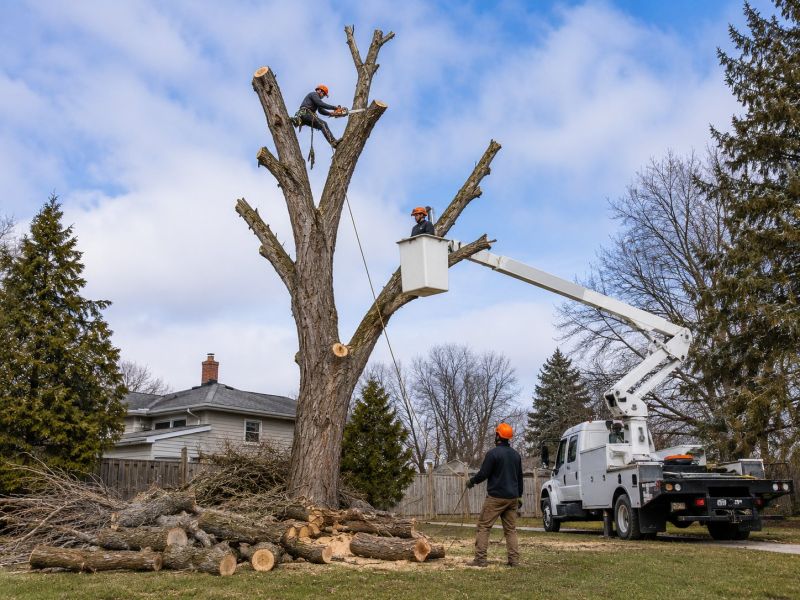
Signs You Need Dead Tree Removal
Dying or dead trees can pose safety risks and may require professional removal.
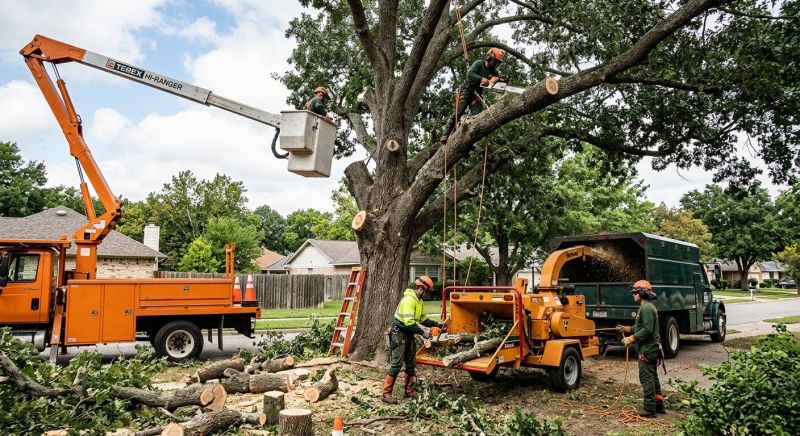
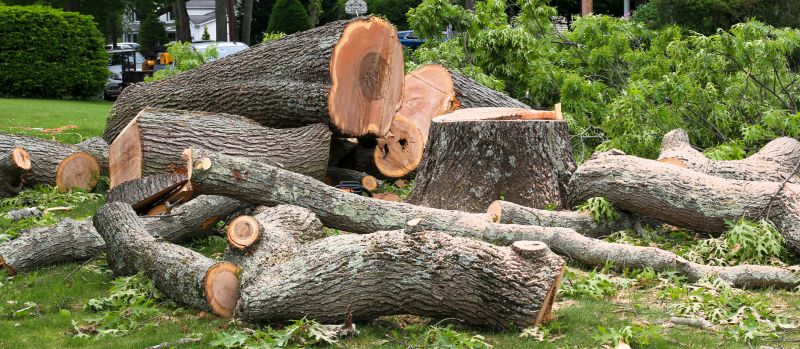
Benefits Of Removing Dead Trees
Removing dead trees helps prevent property damage and maintains landscape health.
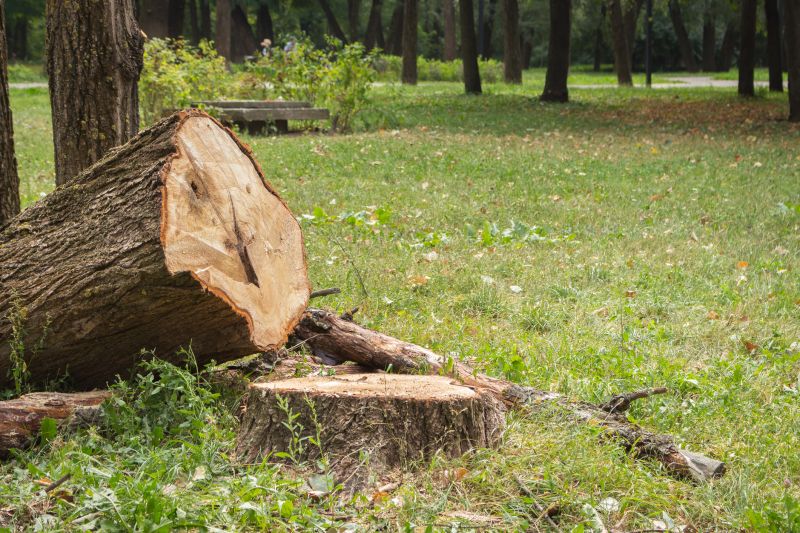
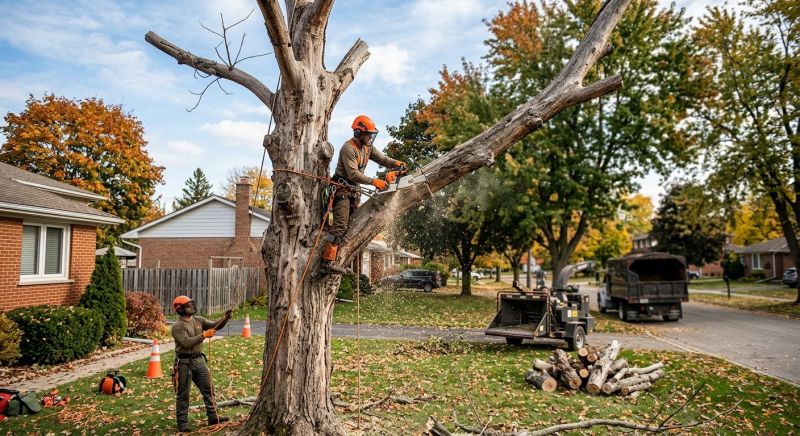
Safe Tree Removal Practices
Proper dead tree removal ensures safety and minimizes impact on surrounding landscape.
Dead Tree Removal in Allentown, PA
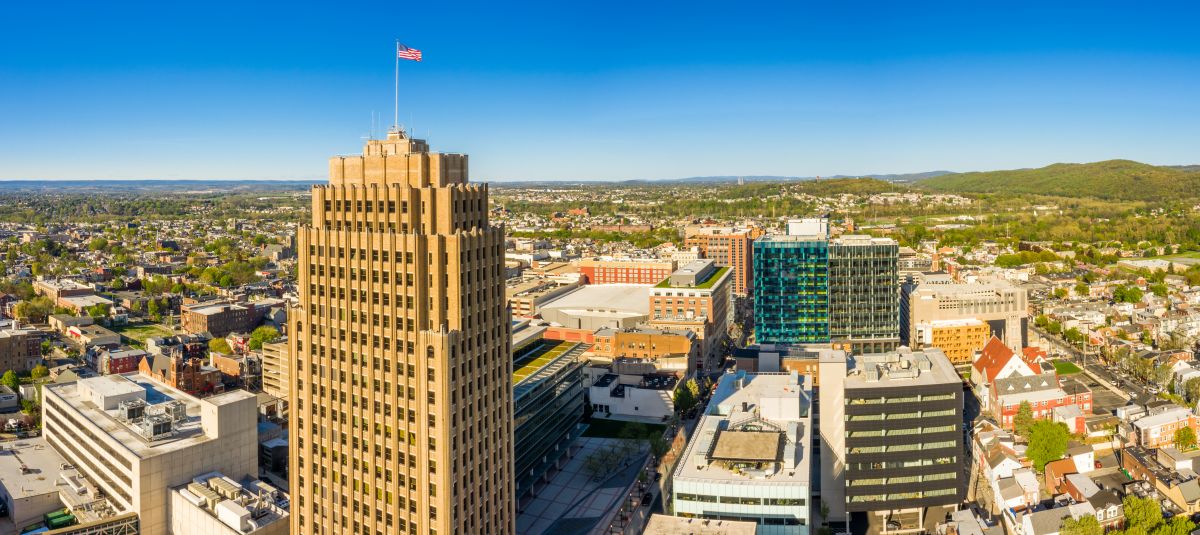
Dead tree removal services involve the safe and efficient removal of trees that are dead, decaying, or posing a risk to the property. These projects typically include removing hazardous trees that threaten structures, power lines, or landscaping, as well as clearing fallen or severely damaged trees after storms or other events. Property owners should understand the scope of the work, including the potential need for stump grinding or removal, and consider any permits or regulations that may apply in their area.
Before requesting dead tree removal, homeowners often want to know about the condition of the tree, the potential impact on surrounding vegetation, and the best approach for removal. It is also useful to consider the location of the tree relative to structures, fences, and utility lines, as well as any aesthetic or landscape considerations. Proper planning helps ensure the removal process is safe and minimizes disruption to the property.
Many property owners in Allentown, PA look into Dead Tree Removal for repairs, replacements, upgrades, and appearance-related improvements.
Common Dead Tree Removal Jobs
Dead Tree Removal - safely removes hazardous or decayed trees from residential and commercial properties.
Stump Grinding - eliminates tree stumps to improve landscape safety and appearance.
Emergency Tree Removal - handles urgent removals after storms or storm damage to prevent further risks.
Selective Tree Removal - removes specific dead or problematic trees without impacting surrounding landscaping.
Root Removal - extracts roots that cause damage to foundations, driveways, or underground utilities.
Land Clearing - clears dead trees and debris for new construction, landscaping, or property maintenance.
Dead Tree Removal Questions
What types of trees can be removed? Most common deciduous and evergreen trees can be safely removed, including those that are dead, diseased, or pose a hazard.
Is dead tree removal necessary? Removing dead or dying trees can prevent potential damage to property and reduce safety risks.
How is a dead tree removal performed? The process typically involves cutting the tree into manageable sections and safely removing the debris from the property.
Are there any restrictions on tree removal? Local regulations may restrict removal of certain protected species or require permits for large or historic trees.
Request Dead Tree Removal in Allentown, PA
Use the quote form on this page to share the basics of your project and request more information for the type of work you need.